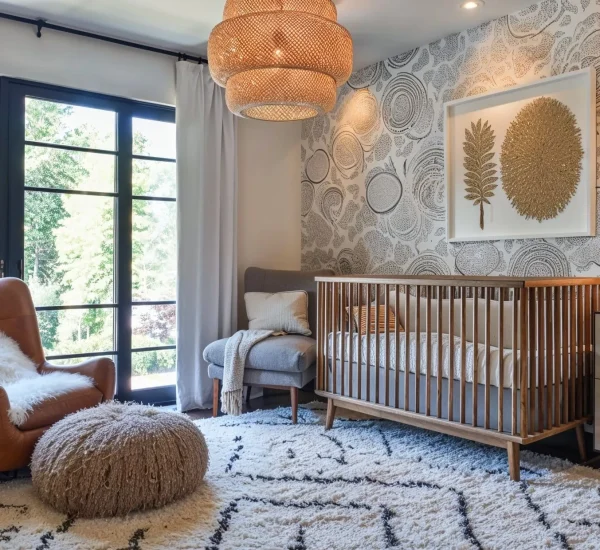
A beautiful nursery can still be a risky room if the prettiest choices ignore how babies actually move, sleep, grab, roll, and grow. The best rooms do not feel like staged photos; they feel calm at 3 a.m., safe during a diaper change, and easy to manage when you are half-awake with a newborn in your arms. Good Nursery Design Tips start with one honest idea: the room has to serve the baby before it serves the camera.
American parents have more baby products than ever, yet the safest room often comes from fewer objects, better placement, and smarter routines. Parents who read home planning ideas through trusted lifestyle resources often notice the same pattern: small layout choices shape daily comfort more than big purchases. A crib set near a window, a cord left within reach, or a soft blanket placed for style can turn a sweet room into a problem. The goal is not fear. The goal is confidence built into the room before the baby arrives.
Nursery Design Tips That Put Sleep Safety First
Sleep is where nursery planning gets serious, because the crib is not a décor piece. It is the one place where simplicity matters more than every cute idea you saved on your phone. A safe nursery starts by treating the sleep area as a protected zone, not a display shelf. The American Academy of Pediatrics recommends babies sleep on their backs on a firm, flat surface with a fitted sheet and no loose bedding, pillows, bumper pads, or soft toys in the sleep space.
How to Build a Safe Nursery Around the Crib
A safe nursery begins with the crib location. Keep it away from windows, blinds, curtain cords, shelves, picture frames, heaters, and anything a growing baby might reach sooner than you expect. Parents often plan for the newborn stage, then forget that a baby who cannot lift their head today may be pulling up months later.
The crib itself should meet current U.S. safety standards, with a firm mattress that fits tightly. The U.S. Consumer Product Safety Commission says crib slats should be no more than 2 3/8 inches apart, and the crib should have no loose, missing, broken, or poorly installed hardware. That detail sounds small until you realize babies find gaps the way water finds cracks.
Skip the padded extras. Bumper pads, thick quilts, sleep positioners, decorative pillows, and plush animals may look gentle, but they do not belong where an infant sleeps. The counterintuitive truth is that an empty crib looks unfinished to adults and safer to babies.
Why Baby Room Safety Starts With Less
Baby room safety improves when you stop treating every corner as storage. A bassinet near the parents’ bed, a crib with only a fitted sheet, and a nearby chair for feeding can do more than a crowded room full of bins, baskets, and gadgets. Space is not wasted when it prevents mistakes.
Many U.S. parents receive blankets, stuffed animals, and crib accessories as gifts, then feel guilty not using them. Store them somewhere else. Sentiment does not need to sit inside the crib, and love does not become less real because it stays on a shelf.
The sleep area should also stay flat. The CPSC warns against using inclined products over 10 degrees, such as rockers, gliders, soothers, and swings, for infant sleep. A baby may fall asleep anywhere, but the safest response is to move them to a firm, flat sleep surface.
Designing a Room That Works During Messy Real Life
A nursery does not fail because parents choose the wrong shade of paint. It fails when the diaper station is across the room from the wipes, the night-light glares into tired eyes, or the hamper sits where you trip over it during a feeding. Real design respects the parent’s body as much as the baby’s needs. A room that works well under stress becomes safer because fewer rushed decisions happen.
Nursery Layout That Supports Tired Parents
Nursery layout should follow the path of your hands. Place diapers, wipes, cream, a change of clothes, and a covered trash system within easy reach of the changing area. Keep one hand on the baby during every change, because even young infants can surprise you with sudden movement.
A good changing zone does not need to be fancy. A secured changing pad on a stable dresser can work if the furniture is anchored and supplies are close. The mistake is building a pretty station that requires you to turn away, bend awkwardly, or step across the room while the baby is on the surface.
Think about night routes, too. The path from door to crib, crib to chair, and chair to changing area should stay clear. A rug edge that curls, a toy basket in the walkway, or a power cord near the rocker becomes more annoying at midnight and more dangerous at 4 a.m.
How to Make Feeding Corners Safer and Calmer
Feeding corners deserve more respect than they get. A stable chair with proper back support, a small table for water, burp cloths, and a dim lamp can turn long nights into something manageable. The point is not luxury; the point is reducing the number of times you reach, twist, or stand while holding the baby.
Avoid placing hot drinks, glass objects, heavy lamps, or dangling cords near the chair. A parent holding a baby has one full-time job already. The room should not demand circus-level balance during a feeding.
This is where comfort and safety meet. A chair that lets you sit and stand without wobbling, a lamp you can switch on without searching, and supplies placed on the side of your free hand all reduce small risks. Nobody brags about this part on social media. They should.
Choosing Materials, Furniture, and Storage With Care
Parents often focus on color first, but materials shape how a nursery feels every day. Paint fumes, unstable furniture, sharp corners, heavy drawers, and cluttered shelves all matter more than a theme. Baby room safety depends on what the room is made of, where heavy pieces stand, and whether the storage plan can survive normal family chaos.
Crib Safety and Furniture Anchoring
Crib safety does not end after assembly. Check screws, supports, mattress height, and fit before the baby uses it, then keep checking as your baby grows. Lower the mattress when your child begins pushing up, sitting, or pulling to stand, because yesterday’s safe height can become tomorrow’s climbing advantage.
Anchor dressers, bookcases, and tall storage units to the wall. This may feel early when the baby is still tiny, but furniture anchoring is not a toddler project. It belongs on the setup list before the first drawer fills with onesies.
Used furniture needs a harder look. A family crib may carry memories, but older cribs can have spacing, hardware, or design issues that no longer match current safety expectations. The loving choice may be to honor the memory with a photo and choose a safer sleep product instead.
Safe Nursery Storage That Reduces Daily Clutter
Storage should make good behavior easy. Put everyday items at adult height, backup supplies in labeled bins, and non-baby items outside the nursery when possible. A room packed with extra décor creates more surfaces for dust, more objects to fall, and more places for small items to disappear.
Open baskets look charming, but they can become grab bins once a baby crawls. Keep small objects, diaper creams, medicine, cords, and grooming tools in closed or high storage. Convenience matters, but it cannot outrank reach risk.
A practical content upgrade for parents is a printed nursery reset checklist taped inside a closet door. Add five lines: crib clear, cords hidden, floor clear, supplies stocked, furniture stable. That simple habit turns safety from a one-time setup into a room rhythm.
Creating a Room That Grows Without Becoming Risky
The nursery changes faster than most parents expect. A newborn room becomes a rolling room, then a crawling room, then a standing room. The smartest design leaves room for those changes instead of treating the baby’s first month as the final plan. Growth is not a future issue; it is the design brief from day one.
Window, Cord, and Outlet Choices That Age Well
Windows need careful planning from the start. Keep cribs, chairs, changing tables, and climbable furniture away from windows, even if the baby cannot climb yet. Nationwide Children’s Hospital advises placing cribs and nursery furniture away from windows and keeping blind and drapery cords out of reach.
Cordless window coverings are the cleaner choice when you can make them. If cords already exist, secure them high and out of reach, then check them often. A cord that seems hidden today can dangle after one rushed adjustment.
Outlet covers, cord channels, and covered power strips help keep the room ready for the crawling stage. Do not wait until the baby starts moving. The day a baby crawls is not the day you want to discover every weak spot at floor level.
Safer Baby Space Planning for the Toddler Transition
The toddler transition starts before the crib disappears. Babies practice independence by pulling, reaching, dumping, climbing, and testing. That is not bad behavior. That is development with muscles.
Set up low shelves with soft books and safe toys while keeping heavy objects higher and secured. Choose rounded storage when possible, avoid toy chests with heavy lids, and keep floor space open enough for movement. The room should invite safe exploration instead of forcing constant correction.
Nursery Design Tips matter most when they prevent future panic. A room planned for growth lets you adjust mattress height, rotate toys, move furniture, and clear hazards without redesigning everything from scratch. That is the difference between decorating for a photo and designing for a family.
A safe baby room is never finished in one weekend. It becomes safer through small decisions you keep making: clearing the crib, checking the furniture, moving cords, editing clutter, and noticing what your baby can suddenly reach. Nursery Design Tips only matter when they survive real nights, real messes, and real growth. The best nursery is not the one that looks perfect when the door opens; it is the one that protects your child when nobody is posing for a picture. Walk through the room today at baby height, parent height, and midnight-tired height, then fix the first risk you see before buying one more decorative thing. Safety is not the opposite of beauty; it is the reason the room can feel peaceful at all.
Frequently Asked Questions
What are the best nursery design ideas for small rooms?
Choose fewer pieces and make each one earn its space. A crib, anchored dresser, compact changing setup, and feeding chair can be enough. Keep the floor clear, use vertical storage safely, and avoid placing the crib near windows, cords, heaters, or shelves.
How can I make a baby nursery safer before birth?
Start with the sleep area, then work outward. Use a firm crib mattress with a fitted sheet, anchor furniture, cover outlets, secure cords, and keep changing supplies within reach. Finish by walking through the room while imagining you are carrying a sleeping baby.
What should not be placed inside a baby crib?
Keep pillows, blankets, bumper pads, stuffed animals, sleep positioners, and loose bedding out of the crib. A firm mattress and fitted sheet are enough for infant sleep. Decorative items can stay on shelves, but they should never share the baby’s sleep space.
Where should the crib go in a safe nursery layout?
Place the crib away from windows, blinds, curtains, cords, shelves, wall décor, heaters, and lamps. Choose a spot with clear walking access from the door and feeding chair. The crib should feel easy to reach without being exposed to pull-down hazards.
What nursery furniture should be anchored to the wall?
Anchor dressers, bookcases, changing tables with storage, tall cabinets, and any furniture a child might climb. Babies become mobile faster than rooms get updated. Anchoring early removes one major risk before curiosity and strength arrive together.
How do I create a calming baby room without clutter?
Use soft lighting, simple storage, washable fabrics, and a limited number of visible items. Keep daily supplies close, but hide extras in bins or closets. Calm comes from order, not from filling every wall and surface with nursery décor.
Are secondhand cribs safe for a nursery?
Secondhand cribs need careful checking. Avoid cribs with missing parts, loose hardware, drop sides, cracked slats, poor mattress fit, or unknown history. A newer crib that meets current safety standards is often the safer choice than a sentimental older one.
What is the easiest way to keep nursery safety updated?
Make a monthly room check part of your routine. Look at crib height, cords, furniture anchors, outlet covers, loose objects, and anything the baby can newly reach. A nursery changes every time your baby gains a new skill.