Home renovations can improve the appearance, comfort, functionality, and long-term value of a property. However, a successful renovation requires more than making cosmetic changes.
Homeowners should consider the condition of the property, the way each space is used, and which improvements will provide lasting benefits. From kitchen and bathroom remodeling to structural upgrades and finishing details, a well-planned renovation should address both practical needs and design preferences.
Start With A Clear Plan
Every renovation should begin with a clear understanding of what needs to be changed. Walk through the property and identify outdated, damaged, inefficient, or impractical areas.
Consider whether the project is focused on one room or involves several areas of the home. Establish priorities before choosing materials or starting construction. A detailed plan can help organise the work, manage costs, and prevent unnecessary changes during the project.
Include Kitchen Remodeling
The kitchen is one of the most important areas to consider during home renovations. Kitchen remodeling can improve both the appearance and functionality of a space that is used frequently.
A kitchen renovation may include new cabinets, worktops, flooring, lighting, appliances, storage, fixtures, and improved layouts. Consider how you prepare food, store items, entertain guests, and move around the room.
Improving the layout can make everyday tasks easier, while better storage can reduce clutter. Choose durable materials and finishes that can withstand regular use, moisture, heat, and cleaning.
Include Bathroom Remodeling
Bathrooms also deserve careful attention during a renovation. Bathroom remodeling can address outdated fixtures, poor storage, inefficient layouts, damaged surfaces, and inadequate lighting.
Consider replacing or upgrading showers, baths, sinks, toilets, cabinets, flooring, lighting, and ventilation. Waterproofing and moisture management should also be considered because bathrooms are exposed to water and humidity regularly.
A well-designed bathroom should combine practical functionality with an attractive appearance while making efficient use of the available space.
Improve Energy Efficiency
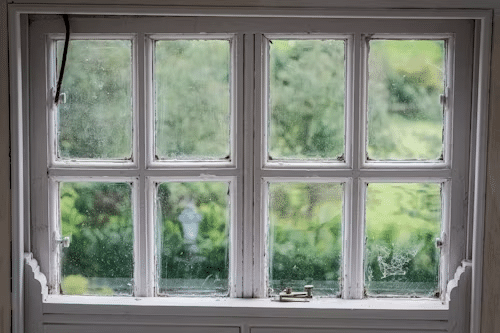
Home renovations provide an opportunity to improve energy performance. Consider insulation, windows, doors, heating systems, lighting, and other features that may affect energy use.
Improving insulation and addressing drafts can make indoor spaces more comfortable, while efficient lighting and appliances can reduce unnecessary energy consumption. These upgrades may also contribute to the long-term performance of the property.
Address Repairs And Structural Issues
Cosmetic improvements should not take priority over essential repairs. Before investing heavily in finishes and decoration, identify problems such as water damage, deteriorating materials, electrical concerns, plumbing issues, or structural defects.
Addressing these issues during renovation can help protect the improvements that are added later. It is often more practical to deal with underlying problems while walls, floors, or ceilings are already being opened or replaced.
Choose Durable Finishes
The final stage of renovation should include carefully selected finishes that suit the purpose of each space. Flooring, paint, cabinetry, worktops, fixtures, hardware, and other materials should be chosen based on both appearance and durability.
High-use areas require materials capable of handling regular wear, while moisture-prone spaces need appropriate water-resistant solutions. Investing in suitable materials can reduce future maintenance and replacement requirements.
Consider Professional Installation
Some renovation work requires specialist knowledge and precise installation. Plumbing, electrical systems, structural changes, cabinetry, flooring, and other technical work should be handled appropriately to achieve safe and reliable results.
Professional installation can also help ensure that different elements of the renovation work together properly.
A complete home renovation should combine planning, repairs, functionality, design, and quality materials. By including kitchen and bathroom remodeling, energy improvements, essential repairs, durable finishes, and appropriate installation, homeowners can create a property that is more comfortable, practical, attractive, and suitable for long-term living.