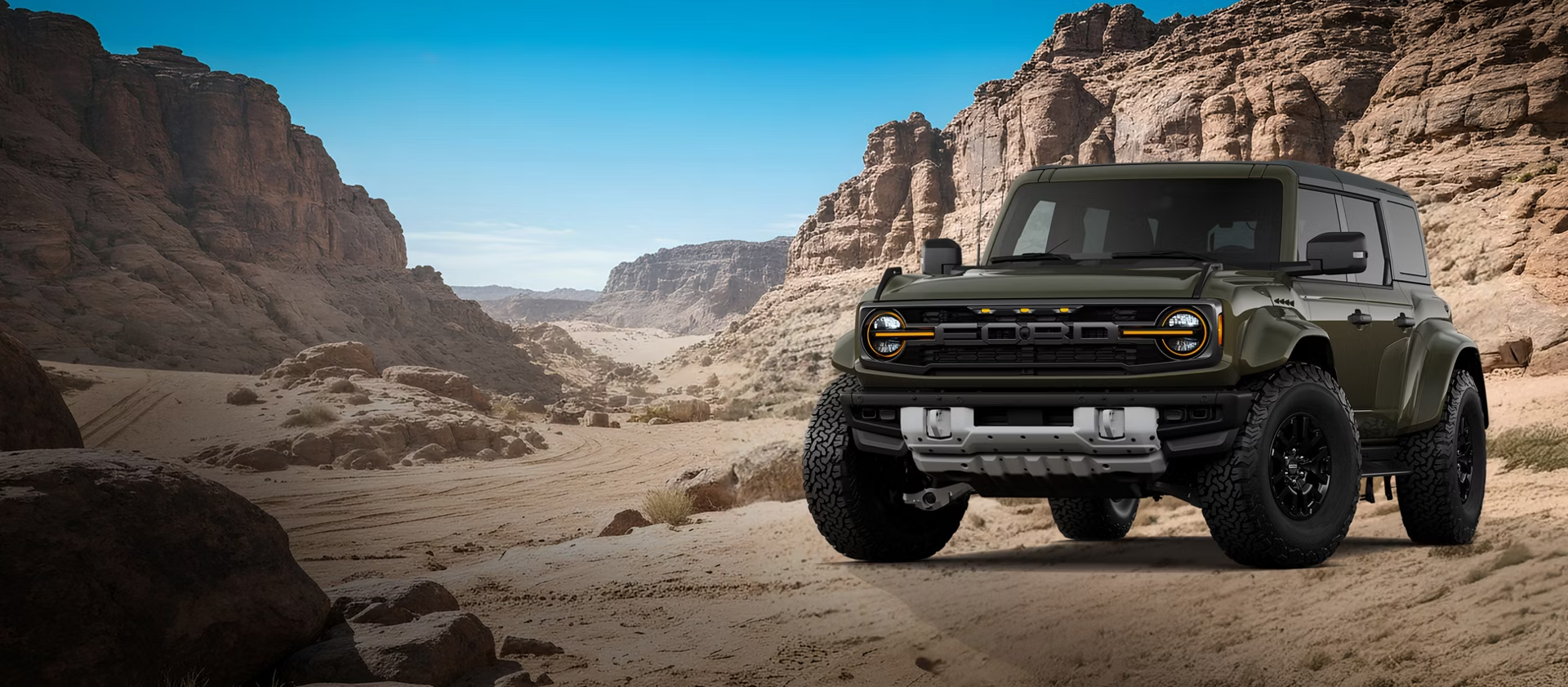
The oddest thing about a high-demand off-road SUV is that most shoppers never get to see the good one sitting on the lot. The Ford Bronco Raptor has become that kind of vehicle: talked about in owner groups, chased by buyers, and often tied up before a casual shopper can test-drive it. The pull is easy to understand. Ford lists the 2026 model with a 3.0-liter EcoBoost V6 rated at 418 horsepower and 440 pound-feet of torque, with a starting MSRP of $79,995. That puts it in rare air for buyers who want a factory-built trail machine without going full pickup truck. For readers following automotive market coverage, the story is not only about power. It is about Raptor SUV allocations, timing, dealer allocation list habits, and how off-road SUV demand turns a normal purchase into a quiet race.
Why the Ford Bronco Raptor Allocation Chase Feels Different
A normal SUV search begins with color, trim, payment, and maybe a weekend test drive. This one often starts with a phone call that sounds more like a reservation request than a shopping question. Dealers may know what is coming before the public-facing inventory page looks useful, and the best buyers know to ask early.
That creates friction. You can have money ready, a trade-in cleaned up, and financing lined up, yet still miss the slot because someone else joined the dealer allocation list weeks earlier. The strange part is that the SUV itself is not hidden. The process is.
Buyers Are Chasing Time, Not Only Price
The first mistake many shoppers make is treating this like a discount hunt. Price matters, but timing usually matters more. A buyer in Texas, Colorado, Arizona, or Utah may call five stores and hear the same pattern: no stock on the ground, no open incoming unit, and no promise on the next build.
That does not mean every dealer is out forever. It means the visible market lags the real one. A store may already have a buyer attached to an incoming unit before the SUV appears online. By the time you refresh a listing, the conversation may be over.
This is why Raptor SUV allocations feel scarce even when Ford is still building the model. The supply chain is not the only pressure point. The human chain matters too: sales manager, order bank, local repeat buyer, out-of-state caller, deposit, trade value, markup tolerance.
The Dealer List Is the New Showroom
For many serious shoppers, the dealer allocation list has replaced the old walk-in visit. You are not browsing a row of vehicles. You are trying to become the name attached to the next unit a store can sell.
That changes your strategy. A polite, specific call beats a vague inquiry. Say the color range you can accept. Say whether you will pay MSRP, consider a small adjustment, or walk from markup. Say whether you can complete paperwork fast. Dealers remember easy deals.
The non-obvious insight is that flexibility can beat budget. A buyer willing to take a less-hyped color, skip a special roof choice, or travel 300 miles may get a cleaner deal than someone willing to pay more but demanding one exact build. Scarcity rewards movement.
What Makes This Raptor Trim Hard to Substitute
The reason this model creates noise is not mystery. It is a wide, heavy, loud-looking SUV that feels purpose-built for people who would rather buy one factory package than spend years modifying a base truck. That is not every buyer. It is a certain buyer.
And that buyer tends to know what they want.
Factory Hardware Carries More Weight Than Aftermarket Dreams
The Bronco Raptor is not a normal Bronco with a few loud parts. It has the kind of factory performance identity that matters when you drive fast on rough ground, not only when you park at a trailhead. Its width, tire package, suspension tuning, and powertrain all work toward one clear mission.
That is hard to fake after purchase. Yes, you can build a lower trim into something mean. You can add tires, lift parts, lights, armor, and a tune. But every added part becomes your responsibility. Ride quality changes. Warranty questions appear. Resale gets harder to explain.
A factory Raptor trim removes some of that guesswork. You know what it is. A future buyer knows too. That shared understanding is part of the price.
The High Price Can Make Demand Stronger
A high MSRP should cool demand. In this case, it can do the opposite.
Ford’s pricing puts the Raptor at the top of the Bronco lineup, far above the casual weekend SUV range. That narrows the buyer pool, but it also gives the model a status lane. People do not cross-shop it only against normal Broncos. Some compare it with used G-Wagens, Wrangler 392s, high-trim pickups, and modified overland rigs.
That is where off-road SUV demand gets interesting. Many shoppers are not asking, “Is this cheap?” They are asking, “Can I buy it once and stop thinking about upgrades?” For the right buyer, paying more for the finished version feels calmer than building a project in pieces.
A real-world example: a buyer who spends weekdays commuting in Dallas and weekends running desert trails near Big Bend may not want a harsh rock-crawler. They may want air conditioning, modern driver tech, warranty support, and enough suspension travel to make bad roads feel playful. That is the emotional lane this SUV owns.
How Shoppers Can Compete Without Overpaying
The worst buying move is panic. Scarcity invites bad math. A buyer hears “spoken for,” assumes the next one will cost more, and signs a deal that feels sour by the time the plates arrive.
There is a better way. You need a plan before the phone calls start. Not a fantasy plan. A buying plan with limits.
Build a Short List of Honest Stores
Start local, but do not stay local out of habit. Call nearby Ford stores first, then widen the map by region. Ask whether they expect incoming Raptor SUV allocations, whether they are taking deposits, whether deposits are refundable, and whether they sell ordered or incoming units at MSRP.
Keep notes. Store name. Contact. Date. Policy. Markup. Deposit terms. Build details. A simple spreadsheet can save you from calling the same store twice or forgetting which manager gave you the straight answer.
This is where new SUV buying guide content can support the process. The same buying habits that help with normal SUVs help here too, but the timing is tighter.
One quiet warning: do not trust a friendly tone more than written terms. A salesperson may mean well and still be unable to hold a unit if management changes the deal. Get deposit terms, price basis, and add-on details in writing before you treat anything as real.
Know When a Markup Is a Trap
A markup is not always the same thing as a bad deal. That sounds wrong, but it is true. If a buyer needs one exact color, wants delivery this month, and lives in a region with few units, paying extra may be the price of speed.
The trap is paying extra without getting speed, certainty, or the build you want.
A $5,000 adjustment on an incoming unit with a signed buyer’s order may be easier to understand than a vague promise on a future slot. A $20,000 markup on a color you dislike, with dealer add-ons you never asked for, is a different story. That is not scarcity. That is pressure.
The best defense is a walk-away number. Decide it before the call. Do not invent courage while sitting in a finance office.
For broader research, pair dealer calls with off-road vehicle shopping checklist notes. Tires, roof choice, warranty, trail use, daily comfort, and insurance cost all deserve space in the decision. The purchase price is only one piece.
What the Market Signals Say About Future Availability
Demand does not stay still. It moves with fuel prices, interest rates, model-year updates, competing trims, and buyer mood. That means today’s tight allocation story may soften in one region while staying hot in another.
Still, the Raptor’s place in the lineup gives it a stronger floor than many special trims. People know what the badge means. They know why it exists. That keeps interest alive even when the wider SUV market cools.
New Bronco Packages Could Pull Some Buyers Away
Ford has also kept the wider Bronco range active. For 2026, the Wildtrak package returned as an upgrade tied to the four-door Badlands trim, giving buyers another serious off-road option below the Raptor’s extreme size and price. That matters because not every shopper chasing the top model needs the top model.
Some buyers want the look. Some want capability. Some want the story. Those are different needs. A Wildtrak-style build can satisfy the buyer who wants trail strength without the huge stance or top-tier payment.
That may reduce pressure at the edges. The person who wanted “the baddest Bronco” may still chase the Raptor. The person who wanted a sharp, capable daily driver may step down and feel smarter for it.
The counterintuitive point: more Bronco choices can make the Raptor feel more special, not less. When buyers see the ladder clearly, the top rung gets easier to understand.
No Higher Raptor Trim Keeps Attention Focused
A bigger threat to demand would be a higher-performance version sitting above it. That would make some buyers pause. Why pay now if a more extreme trim is coming?
As of June 2026, Ford Performance leadership has said there are no current plans for Bronco Raptor R or Ranger Raptor R versions, according to Road & Track’s interview with Carl Widmann. That keeps the current Raptor trim from feeling like a placeholder.
This matters in the allocation story. Buyers move faster when they believe the current model is the one to own. Waiting gets harder when there is no clear next step above it.
Historical demand also supports that mindset. When the model first arrived, Edmunds reported that 2022 customer orders had closed and that early allocation heavily favored existing reservation holders. The market has changed since then, but the lesson remains: the hottest Bronco variant has never acted like a normal lot vehicle.
Conclusion
The real story is not that every buyer needs to chase the most aggressive Bronco. Most do not. A Badlands, Wildtrak-style build, or used off-road SUV may fit daily life better and cost less to own.
But for shoppers who want the factory-built desert-runner version, the Ford Bronco Raptor still sits in a strange place: expensive enough to make people hesitate, rare enough to punish hesitation, and distinct enough that substitutes feel incomplete. That is why allocation talk matters. It tells you where the deal is likely to happen before the listing goes public.
Go in with a written plan, a firm ceiling, and the patience to call outside your ZIP code. The buyer who wins is not always the one who spends the most. Often, it is the one who moves first, asks cleaner questions, and knows when to walk.
Frequently Asked Questions
How do I get on a dealer allocation list for a Bronco Raptor?
Call the sales manager or inventory manager, not only the first internet sales contact. Ask whether they expect future units, whether they take refundable deposits, and whether pricing is based on MSRP or markup. Get every promise in writing before sending money.
Is the Bronco Raptor worth paying over MSRP for?
It can be, but only when the deal gives you speed, certainty, and the build you want. Paying extra for a vague future unit is risky. Set a ceiling before shopping, then compare that cost against travel, waiting, and used-market options.
Why are Raptor SUV allocations hard to find?
High-demand trims often get claimed before they sit on public lots. Dealers may match incoming units with buyers from internal lists, repeat customers, or deposit holders. Online inventory can lag behind the real sales conversation by days or weeks.
What should I ask a Ford dealer before placing a deposit?
Ask whether the deposit is refundable, whether the price is locked, what add-ons are required, and whether the unit has a VIN or build status. Also ask who controls final pricing. A clear written buyer’s order matters more than a friendly phone promise.
Is a used Bronco Raptor a smarter buy than waiting for a new one?
A used model may save time and reduce markup pressure, but inspect it with care. Off-road vehicles can hide hard use under clean paint. Check tire wear, underbody damage, service records, warranty status, and whether modifications affect future coverage.
Which buyers should skip the Raptor trim?
Daily commuters who rarely leave pavement may be happier with a lower Bronco trim. The Raptor is wide, bold, and expensive to feed, insure, and park. Its strengths make sense when you use its off-road hardware, not only its badge.
Can I order an exact Bronco Raptor build from any dealer?
Not always. Ordering depends on dealer process, allocation, model-year timing, and available options. Some stores may only sell incoming units. Others may take a request but cannot promise when Ford will schedule it. Flexibility usually improves your odds.
What is the best way to avoid a bad allocation deal?
Compare several dealers, write down every quote, and refuse unclear add-ons. Do not let one scarce unit erase your budget. A clean deal on a slightly different build often beats an overpriced deal on the exact color you first wanted.