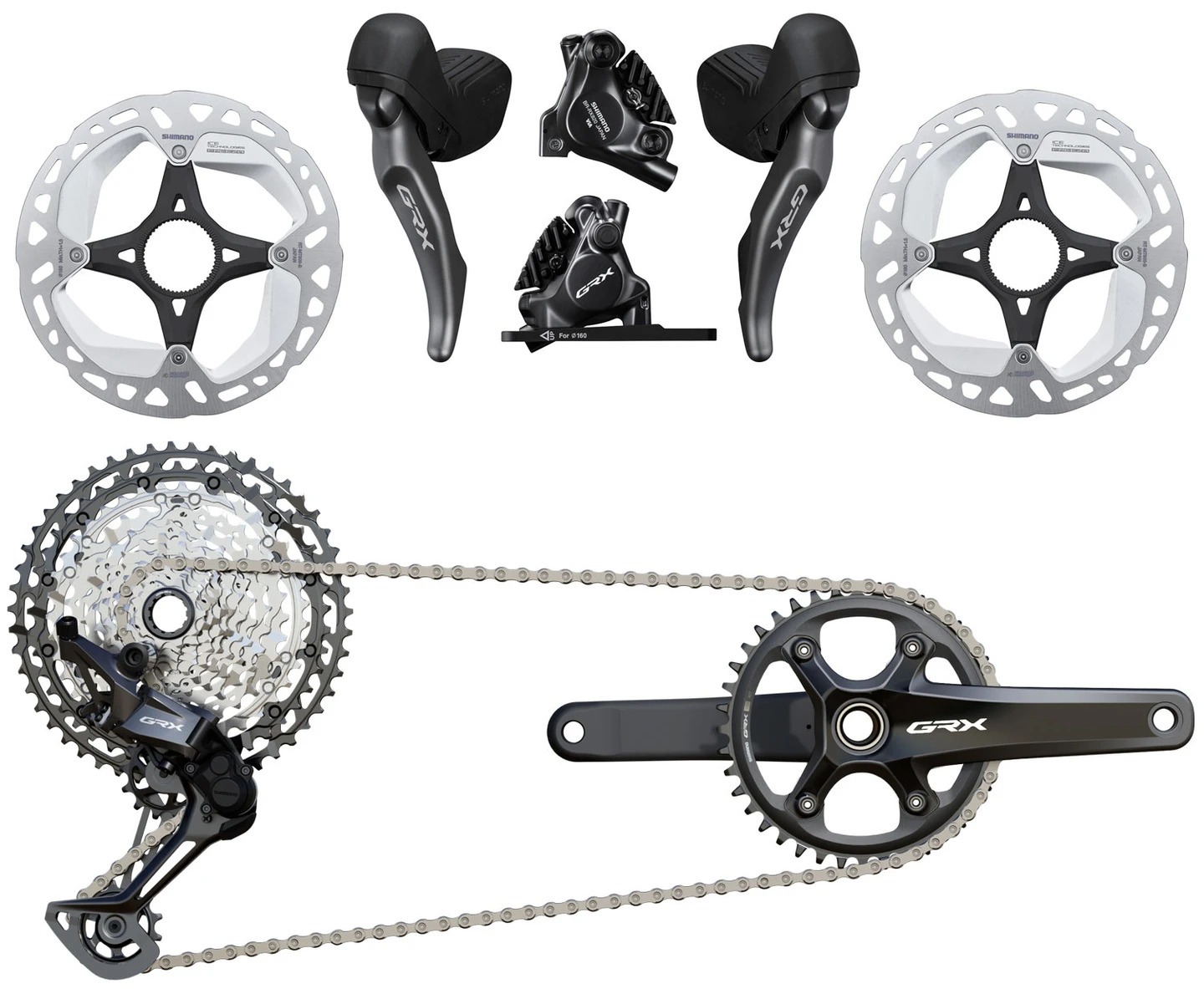
A good gravel upgrade should make the bike feel calmer, not louder. The GRX 600 Groupset is getting attention because it sits in that rare middle spot: serious enough for long dirt roads, still sensible enough for riders who do not want a race-shop bill. For many Americans riding mixed pavement, crushed limestone, farm roads, and weekend gravel events, the draw is simple. You get gravel-focused hand feel, lower gearing, hydraulic braking, and mechanical shifting without jumping straight into high-end electronic parts. That balance explains why riders hunting for smart cycling gear updates keep circling back to this setup. Shimano presents GRX as a gravel-specific component family built around smooth shifting, steady braking, and comfort on rough roads, which matters when your “ride” turns from shoulder pavement into washboard dirt without warning. The bigger story is not hype. It is timing. Gravel riders are learning that the best budget gravel upgrade is often the one that fixes control, gearing, and trust before chasing weight.
Why Budget Gravel Riders Keep Looking at Shimano’s Midrange Setup
The gravel market has a strange pressure problem. Riders are told they need adventure-ready bikes, wide tires, bags, tubeless setups, better wheels, and maybe electronic shifting too. That adds up fast. So when a part group promises a large ride-quality change without turning the bike into a luxury project, people pay attention. This is where the midrange GRX family makes sense. It speaks to the rider who has already outgrown entry-level parts but still wants to spend like a grown-up.
The upgrade solves normal riding problems first
Most riders do not wake up wishing their bike had a fancier badge. They notice the small problems. A front shift that feels stiff on a climb. A brake lever that gets hard to grip after two hours. A gear range that works on flat rail trails but feels punishing on loose climbs.
That is why this setup lands with riders coming from road parts or mixed entry-level builds. The point is not bragging rights. It is control when the surface gets rude.
Take a rider in Kansas doing a 45-mile Saturday loop with paved miles, chunky county roads, and a headwind on the way home. That rider may not need a pro-level drivetrain. They need braking that feels steady with tired hands, a crank range that keeps cadence alive on short climbs, and shifting that does not feel fragile when dust gets into everything.
A mechanical gravel groupset fits that kind of day better than many riders expect. It is not flashy. That is the appeal.
Mechanical shifting still has a loyal place
A lot of bike marketing makes mechanical shifting sound old. Gravel riders know better. Dirt, water, travel, and repair costs change the math. A cable system can be adjusted by a shop in a small town. A rider with basic tools can often diagnose a problem before a group ride starts.
That does not mean electronic systems are bad. They are clean, sharp, and loved for good reasons. But the budget-minded gravel rider often cares more about repair paths than perfect showroom feel.
Shimano’s GRX line includes mechanical and electronic options, plus single and double chainring choices, giving riders room to match parts to the way they ride instead of buying one fixed idea of gravel. That flexibility is one reason the platform keeps showing up on U.S. gravel bikes.
Here is the non-obvious part: the rider who chooses mechanical is not always saving money because they must. Sometimes they are choosing the system they trust more after a muddy event, a bent hanger, or a long drive to a remote starting line.
How the GRX 600 Groupset Became the Practical Gravel Sweet Spot
A good groupset does not win riders over in a parking lot. It wins them over after bad surfaces, tired hands, missed lines, and the long grind back to the car. The GRX 600 Groupset has become a sweet spot because it gives riders many of the gravel-specific touches they actually feel, while leaving the top-shelf price tag for someone else.
The hand position matters more than the weight chart
Gravel comfort is not only about tires. Your hands carry a lot of the ride. When the road buzzes for miles, lever shape and hood grip start to matter. A small change at the bar can make the bike feel less nervous.
That is a big reason gravel-specific controls matter. Shimano’s GRX pages point to features like control on varied terrain, chain management, tire clearance, and gearing options as part of the family’s purpose. Those sound like product-page lines until you ride a loose downhill with your fingers half-wrapped around the hoods.
Then they become plain sense.
For a rider coming from older road shifters, the change can feel bigger than the spec sheet suggests. The bike does not become faster on paper. It becomes easier to hold, easier to slow, and easier to trust when the front wheel skips across gravel.
Gearing is where the upgrade feels honest
The best gravel bike drivetrain is rarely the one with the biggest number. It is the one that keeps you pedaling when the road stops behaving. That matters more in the U.S. than some buyers expect because local gravel varies so much.
A rider in Iowa may want tight enough steps for fast farm roads. A rider in Vermont may care more about low climbing gears. A rider in Arizona may need steady control over loose, rocky rollers. Same category. Different pain.
This is why the 2x gravel idea still has legs. A double chainring setup gives many riders a wide range without huge jumps between gears. Shimano’s newer 12-speed GRX mechanical family even keeps that idea alive with gravel-focused double setups, showing that 2x is not dead in dirt.
The counterintuitive lesson is that more simplicity is not always simpler. A 1x setup looks cleaner, and many riders love it. But if your riding mixes road speed with long climbs, the closer rhythm of a 2x drivetrain may make the day feel easier.
That is a budget gravel upgrade with real teeth. It improves the ride you already do, not the ride an ad says you might do someday.
What Riders Should Check Before Buying the Upgrade
A groupset can be popular and still be wrong for a certain bike. That is where buyers need to slow down. The smartest upgrade is not the one with the most praise. It is the one that fits your frame, wheels, riding style, and local shop support. Gravel parts are connected. Change one part, and three other details may start asking questions.
Compatibility decides whether the deal is real
Before buying, you need to check brake mount type, bottom bracket fit, cassette range, derailleur capacity, freehub body, cable routing, crank length, chainline, and whether your frame can take the setup cleanly. None of that sounds fun. It saves money.
A rider with an older cyclocross frame may think the upgrade is a simple swap. Then the shop finds a brake mounting issue, a crank clearance problem, or a cassette choice that does not match the derailleur. The part deal was good. The full bill was not.
That is why many U.S. riders should price the whole job before ordering parts online. Add labor, housing, brake hoses, bar tape, rotors, pads, chain, cassette, and any adapter work. A low parts price can still turn into a medium-sized project.
For more planning help, it also makes sense to keep a running checklist of gravel bike maintenance costs before buying. Parts that look affordable on a product page may need support pieces to work right.
The hidden win is this: a proper install often matters more than the upgrade level. A well-set midrange group can feel better than a poorly installed premium one.
1x or 2x should follow your terrain
Riders love turning drivetrain choice into an identity. It does not need to be that dramatic. Pick the setup that matches the roads near you.
If your rides are rough, slow, and steep, a 1x build can feel clean and calm. One shifter does the work. There is no front derailleur to think about. That appeals to riders who spend more time on forest roads, sandy connectors, or chunky local trails.
If your rides include fast pavement, group pace lines, rolling gravel, and long climbs, 2x can make more sense. You get smaller jumps between gears and a wider-feeling rhythm across mixed terrain. That is why many riders still view a double setup as the grown-up choice for all-road riding.
Neither answer is universal.
A mechanical gravel groupset should feel like it disappears under you. When you stop thinking about the shift and start thinking about the line, the setup is doing its job. That is the standard to use, not whatever setup gets the loudest comment thread.
Why It Works for Real American Gravel, Not Fantasy Gravel
A lot of gravel content is built around epic photos. Dust clouds. Empty roads. A rider standing next to a sunrise with a frame bag and expensive sunglasses. Fine. But most American gravel riding is more ordinary than that, and ordinary is where equipment has to prove itself.
Most riders need confidence, not exotic gear
The average upgrade buyer is not training for the sharp end of Unbound. They might be riding after work in Ohio, linking canal paths in Pennsylvania, doing a charity gravel ride in Texas, or turning a road bike into something more useful for broken pavement near home.
For that rider, a gravel bike drivetrain needs to cover messy reality. It should brake well in traffic on the way to the trail. It should shift cleanly after dust. It should give enough low gear when a short dirt climb gets loose near the top.
That is why the midrange path has power. It respects the rider who wants better parts without pretending every weekend is a survival story.
Shimano’s official GRX material also points to wider tire and mud clearance, chain retention, and varied gearing as core gravel needs. Those features answer the boring problems that ruin rides. Boring matters.
The best upgrade may keep your current bike alive
Buying a new gravel bike is tempting. Sometimes it is the right call. But many riders already own a solid frame with decent tire clearance and geometry that feels good. If the frame fits, upgrading the group can stretch that bike’s life by years.
That is an underused way to think about value.
A rider with an aluminum gravel frame from five years ago may not need a new bike. They may need better brakes, lower gearing, new contact points, and a fresh drivetrain. Done right, the bike feels more modern without sending a perfectly good frame into storage.
There is also a confidence factor. You know how your current bike handles. You know its fit. You know which saddle works and which tires clear. Keeping that known base while improving the controls can be smarter than starting over with a new bike that brings new fit problems.
For riders planning future changes, a guide to choosing gravel tires for mixed roads pairs well with drivetrain planning. Tires and gearing shape the ride together. Treating them as separate upgrades can lead to odd results.
The surprise is that the least glamorous upgrade path may be the most satisfying one. New parts on a trusted frame can feel personal in a way a new bike does not.
Conclusion
Gravel upgrades get noisy because riders care about the small stuff. They debate chainrings, cassettes, lever shape, brake feel, and whether mechanical shifting still belongs on a modern build. Good. Those details decide whether a bike feels calm after three hours or irritating after thirty minutes. The GRX 600 Groupset earns attention because it answers the practical questions first: Can I climb easier? Can I brake with more trust? Can I fix it without drama? Can I keep my current bike and make it better? For many U.S. riders, that answer is yes. It is not the fanciest route, and that is the point. The best gravel setup is the one that makes you ride more often, take rougher roads with less doubt, and spend money where it changes the experience. Build the bike around your roads, not around someone else’s photo shoot, and your upgrade will feel right long after the receipt fades.
Frequently Asked Questions
Is Shimano GRX 600 worth it for a budget gravel bike?
Yes, if your current bike already fits well and has frame clearance worth keeping. The upgrade makes the most sense when you want better braking, lower gearing, and gravel-focused controls without buying a whole new bike.
What type of rider benefits most from this upgrade?
It fits riders who split time between pavement, dirt roads, rail trails, and weekend gravel events. It is especially useful for riders coming from road parts that feel awkward on rough surfaces or lack low enough gearing.
Should I choose a 1x or 2x gravel setup?
Choose 1x for rougher, slower, simpler riding with fewer shift decisions. Choose 2x if your routes mix fast pavement, rolling gravel, and longer climbs where smaller gear steps help you hold a steady rhythm.
Can I install this groupset on any gravel bike?
No. Your frame, brakes, bottom bracket, wheels, cassette range, and routing all need to match. A shop check before buying can prevent surprise costs that turn a good parts deal into an expensive repair puzzle.
Is mechanical shifting still good for gravel riding?
Yes. Mechanical shifting remains popular because it is easy to service, widely understood by shops, and practical for dusty or remote rides. Electronic shifting feels excellent, but mechanical still makes sense for value-focused riders.
How much should I budget beyond the parts?
Plan for labor, cables, housing, brake hoses, bar tape, chain, cassette, rotors, pads, and possible adapters. The full project cost matters more than the headline price of the group itself.
Does this upgrade make a gravel bike faster?
It may not make the bike faster in a pure weight or speed sense. It can make you ride with more control, better cadence, and less hand fatigue, which often leads to stronger real-world performance.
What should I upgrade next after the drivetrain?
Tires usually come next. A good drivetrain helps you manage effort, but tires decide grip, comfort, and confidence on mixed surfaces. Match tire width and tread to your local roads before chasing lighter accessories.