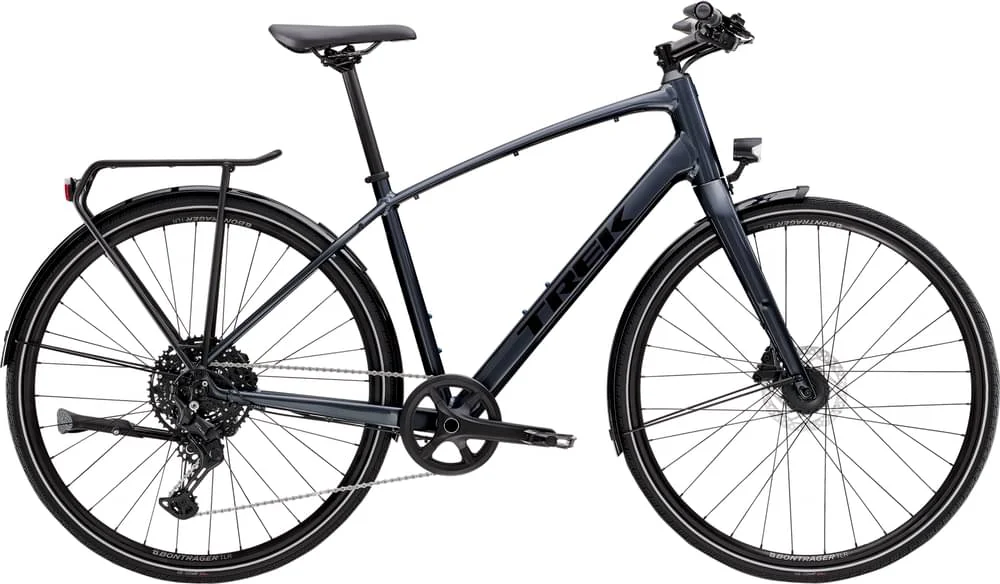
A good summer ride rarely starts with a perfect training plan. It starts with a simple problem: you want one bike that can handle errands, fitness loops, rail trails, and the ride to work without feeling like a compromise. That is where the hybrid bike conversation keeps landing for U.S. riders this season, especially around the Trek FX 3. The demand story makes sense. Buyers are not only chasing speed. They want comfort, disc brakes, lighter parts, and a setup that feels ready before the first hot weekend fills local paths and shop calendars. For readers tracking product demand, retail timing, and outdoor buying trends through consumer lifestyle coverage, this is one of those quiet purchase moments that can turn fast. Trek’s current FX 3 line is framed around a light aluminum frame, carbon fork, 1x drivetrain, and hydraulic stopping power, which explains why it keeps showing up on shortlists for practical summer cycling.
Why This Hybrid Bike Is Getting Attention Before Summer
The rush is not only about a model name. It is about timing, habit, and the way Americans shop when warm weather starts to feel close. A rider who waits until July may still find a bike, but may not find the frame size, color, or store pickup option that fits. That tension is what makes the Trek FX 3 feel like a bike people move on early.
Riders want one bike that does not punish them
Many casual riders do not want a road bike posture, a mountain bike’s weight, or a beach cruiser’s slow feel. They want a clean middle ground. The FX setup answers that by giving you a flat bar, quicker rolling tires, and a frame that feels built for pavement first, with enough comfort for packed trails.
That matters for a normal week in the U.S. A rider in Minneapolis might use the same bike for a ten-mile river path ride on Saturday and a grocery run on Tuesday. Someone in Austin might care more about heat, stoplights, and fast braking than about shaving seconds from a group ride. The same buyer may also want the bike to fit in an apartment hallway, roll into an office bike room, and survive a rushed curb hop outside a coffee shop.
The non-obvious part is that many summer buyers are not upgrading from another bike. They are upgrading from inconsistency. The real competition is the unused gym membership, the second car trip, or the old bike with dry tires in the garage. A clear, easy ride lowers the barrier.
That is why the Trek FX 3 lands with people who may not call themselves cyclists yet. It gives them a path in. Not a costume. Not a race identity. A path.
There is a money angle here, too. A bike that replaces short car trips can feel cheaper over a season than it looks at checkout. You still spend on locks, lights, tubes, and service, but the miles start paying back in avoided parking, fuel, and rideshare costs. That matters more in cities where a quick errand can become a twenty-minute parking hunt.
The Trek FX 3 sits in the “serious but still normal” lane
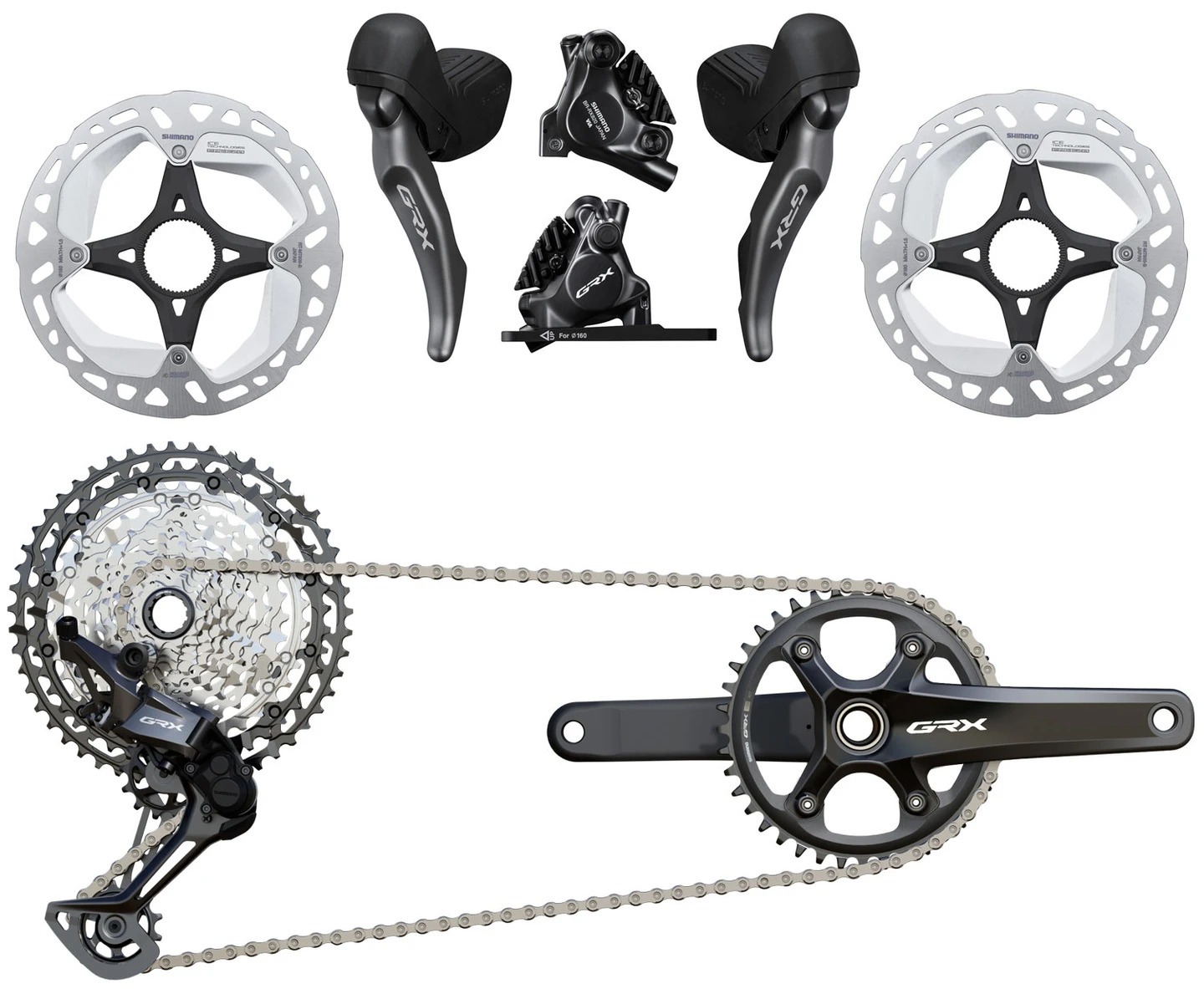
The Trek FX 3 has a useful market position because it feels better than a basic entry ride without asking buyers to explain themselves like racers. Current FX 3 Gen 4 descriptions point to a carbon fork, 1×10 gearing, and hydraulic disc brakes, while retailer listings show details such as Shimano CUES 10-speed parts and 700×35 mm tires on recent models.
That mix appeals to people who notice ride quality but still want simple ownership. A 1x drivetrain removes the front shifter decision. You get fewer choices at the handlebar, but the range can still cover everyday hills. For many riders, less thinking is a feature.
Here is the counterintuitive piece: the bike’s broad appeal can make it harder to buy, not easier. A niche road bike has a narrow audience. A fitness-focused Trek can pull in commuters, parents, returning riders, college students, and weekend path riders at the same time.
That broad pull affects stores. A shop may not need a viral video to move this kind of model. It only needs warm weather, a few test rides, and enough customers who all ask for the same two or three frame sizes. By the time a buyer decides to “look next weekend,” the best option may already be on another person’s car rack.
What Demand Says About Summer Cycling Habits
A sell-through story has to be handled carefully. One shop may be full of mediums while another has no large frames. Online stock may shift by ZIP code. Still, the broader demand signal is not random. It sits inside a bigger U.S. pattern: more people are treating outdoor movement as a normal part of life, not a special hobby.
Casual riders are shaping the market
PeopleForBikes reported that bicycling participation in the U.S. has grown since 2016, and it notes that much of the growth comes from casual riders who ride twice a month or less. That detail matters more than a flashy race result because casual riders buy for ease, confidence, and fun first. The PeopleForBikes riding research also argues that casual riders are close to becoming more regular riders when the first experience feels good.
The Trek FX 3 matches that mood. It is not selling only to people who know every component family. It speaks to the buyer who asks, “Can I ride this after work without changing my whole life?” That buyer may not care about frame geometry charts, but they can feel a lighter front end and steady brakes on the first test ride.
Summer cycling also carries a social pull. Friends plan rail-trail mornings. Offices restart bike-to-work talk. Parents look for movement that does not require a league schedule. When those habits stack up in May and June, popular sizes can thin out fast.
This is where seasonality becomes personal. A rider who missed last summer because the old bike needed work may not want another year of excuses. A college student home for break may want something that works for fitness now and campus transport later. A parent may want a ride that keeps pace with teenagers on paved paths. Those buyers arrive from different angles, yet they often land in the same aisle.
Demand rises when a bike solves small frictions
The small frictions decide whether a rider sticks with a bike. Does it feel jumpy at low speed? Are the gears confusing? Do the brakes feel safe when a car door opens? Can it take a rack later? These questions sound plain, but they drive real buying choices.
Trek’s FX line has long lived in that practical space. Rack and fender mounts matter for a commuter bike because the rider’s needs change after purchase. A first month may be fitness loops. By month three, the same rider may want a rear rack, a lock mount, or lights for a late ride home.
A good example is a rider in suburban New Jersey who starts on paved park paths, then realizes the train station is only three miles away. The bike’s value changes overnight. It becomes less about weekend exercise and more about owning a flexible tool.
The odd insight here is that “selling out” does not always mean hype. Sometimes it means a product is boring in the best way. It meets enough needs, for enough people, at the same seasonal moment.
There is another layer, too. A bike that feels easy to recommend creates quiet word-of-mouth. One neighbor buys it. A co-worker tries it. A spouse sees it in the garage and asks about a second one. Demand can grow through small trust loops, not only through ads or influencer posts.
How to Judge the FX 3 Before You Buy
Buying during a busy season can make people sloppy. They hear that a size is low, then grab whatever is nearby. That can turn a smart purchase into a sore back, numb hands, or a bike that never feels right. The better move is to judge fit, use case, and local support before the pressure hits.
Fit beats color every time
Color gets attention online. Fit decides whether you ride in August. A frame that is slightly wrong can feel fine during a five-minute parking lot spin, then turn annoying after thirty minutes on real pavement.
A local shop test ride helps because flat-bar bikes can still vary in reach, saddle height, and steering feel. Your body tells the truth. If your wrists carry too much weight or your shoulders stay tight, do not let a scarce color talk you into the wrong size.
There is also a summer-specific issue. Hot weather magnifies discomfort. A fit problem that feels small in April can feel loud during a humid ride after work. That is why smart buyers treat sizing as the first filter, not the final detail.
Ask the shop to show you two sizes if you are near the line. Ride both in the same shoes. Make a few slow turns. Brake, start again, and stand over the frame. A bike can look right on paper and still feel wrong when you move.
Disc brakes and simple gearing are worth caring about
Disc brakes are not a buzz detail on this kind of ride. They help in wet streets, dusty trail crossings, and sudden urban stops. For a rider who mixes fitness paths with traffic, braking feel can decide whether the bike builds confidence or stress.
The 1x setup also fits the way many people ride. You shift up or down without thinking about front-chainring overlap. On a rolling path in Denver or a stop-and-go route in Philadelphia, that simplicity feels natural.
Some buyers worry that fewer front gears means less ability. In practice, a wide-range rear cassette can serve daily riding well. You may give up the tiny steps that road riders like, but you gain a cleaner handlebar experience.
The right test is not whether the spec sheet wins an online argument. The right test is whether the bike keeps you moving without fuss. If you can climb the hill near your house, stop cleanly at the bottom, and ride again the next day without dreading it, the parts are doing their job.
A second internal resource such as a summer cycling gear checklist can help buyers think beyond the bike. Lights, a floor pump, a helmet that fits, and a lock often matter more than a small component upgrade.
Buying Smart When Popular Sizes Get Tight
Scarcity can make any bike sound more special than it is. The goal is not to panic-buy. The goal is to know what you need before you call stores, compare pickup options, or watch restock notices. That mindset protects your wallet and your riding season.
Check local stores before assuming online stock tells the full story
Bike inventory is local by nature. One U.S. retailer may have a small frame left in black, while another has a large frame in a different finish. Trek also routes buyers toward local retailers and service support, which matters because assembly, fit help, and first adjustments can shape the ownership experience.
Call the shop with your height, inseam, and intended use. Ask what sizes they would put you on before asking what color is left. A good shop will slow you down in the right way.
The counterintuitive move is to be flexible on paint and firm on fit. Many buyers do the opposite. Paint fades from your mind after ten rides. A poor fit stays with you each time you climb a hill or reach for the brake levers.
Also ask what comes after the sale. Will they adjust cables after break-in? Can they install fenders or a rack before pickup? Do they have tubes in the right size? A bike bought during a rush should still come with calm support.
Compare it against your real week, not a fantasy ride
The FX 3 makes the most sense when your week includes pavement, paths, errands, and fitness rides. If you plan to ride rough singletrack, you want a different category. If you plan to join fast road groups every weekend, drop bars may serve you better.
For many Americans, though, the fantasy ride is not the point. The real ride is fifteen miles before breakfast, six blocks to coffee, or a low-stress loop after sitting at a desk all day. The better your bike matches that pattern, the more likely it gets used.
A beginner bike maintenance guide is worth pairing with this purchase because summer bikes live hard. Dust, sweat, rain, potholes, and forgotten tire pressure can turn a sharp ride dull. Small care keeps the bike feeling new longer.
Outdoor participation data also supports the larger mood. The Outdoor Industry Association’s 2025 report describes record outdoor growth and notes gains in common entry activities, which fits the rise of practical gear that helps people get outside without turning life upside down.
One last buying test helps: name the first five rides you will do. Not someday rides. Actual ones. Monday evening neighborhood loop. Saturday trail with a friend. Grocery run. Office commute. Park ride with kids. If the bike fits those five rides, you are making a practical decision rather than chasing a seasonal headline.
Do not ignore storage. A lighter, cleaner flat-bar ride is easier to carry up a few apartment stairs than a heavy cruiser, yet it still needs a safe place to live. If your building has tight hallways or a shared bike room, measure first. The best ride in the shop becomes a headache if it bangs every doorway on the way home.
Conclusion
The summer bike rush rewards the buyer who knows the difference between demand and panic. Demand tells you a model is landing with riders for a reason. Panic tells you to take the wrong size because someone else might grab it first.
That is the line to hold with the Trek FX 3. It makes sense for U.S. riders who want a fast-feeling fitness ride, a dependable commuter bike, and a weekend path machine in one package. The hybrid bike angle is not about being average. It is about meeting real American riding patterns without turning every trip into a gear debate.
If your local shops still have the right size, move with purpose. Test the fit, ask about first service, and price the accessories you will need on day one. Then ride it often enough that the purchase becomes less about scarcity and more about the kind of summer you wanted in the first place.
Frequently Asked Questions
How much does the Trek FX 3 usually cost in the U.S.?
Prices can vary by model year, retailer, color, and local promos. Expect it to sit above basic fitness bikes but below higher-end carbon fitness models. Check Trek’s U.S. site and nearby authorized retailers before assuming one online price reflects your area.
Is the Trek FX 3 good for commuting to work?
Yes, it suits many commutes on pavement, bike lanes, and smooth paths. The flat bar gives control, disc brakes help in changing weather, and mount points allow practical add-ons. Long commutes may still require a better saddle, lights, and a rack.
What size should I buy if I am between two Trek frames?
A test ride is the safest answer. Many riders between sizes choose based on reach, comfort, and control rather than height charts alone. Ask a shop to set saddle height and watch your riding position before you decide.
Can the FX 3 handle gravel trails?
It can handle packed gravel, rail trails, and smoother mixed surfaces. It is not meant for rough mountain trails or deep loose gravel. Tire choice, pressure, and rider skill matter, so stay honest about where you plan to ride most.
Why are popular bike sizes harder to find before summer?
Demand tends to rise when warm weather, school breaks, fitness goals, and commute changes hit at the same time. Medium and large frames often move fast because they fit many adults. Color options can disappear before the whole model line does.
Are hydraulic disc brakes worth it for casual riders?
Yes, many casual riders benefit from better control more than they expect. Strong, predictable braking helps in rain, traffic, and crowded paths. The value is not only speed control. It is confidence when the ride gets messy.
Should I wait for a sale or buy before peak season?
Waiting may save money, but it can also reduce your choices. If size and fit matter more than color or a small discount, buying earlier often makes sense. Deal hunters should ask shops about older model years or end-of-season timing.
What accessories should I buy with a new FX 3?
Start with a helmet, lights, lock, floor pump, bottle cage, spare tube, and basic flat kit. Commuters may want fenders and a rear rack. Fitness riders should add padded shorts only after a few rides show whether the saddle works.